The Aestheticization of the Left
Published on 25 August 2026
Walter Benjamin argued that the fascists had elevated aesthetic principles into a politics, as a means of avoiding any genuinely radical attempt to change the power structure. This strikes me as a plausible interpretation given the genesis of Italian fascism and its links to the futurist movement, the background of senior Nazis and the incoherence of fascist ideology and policies.
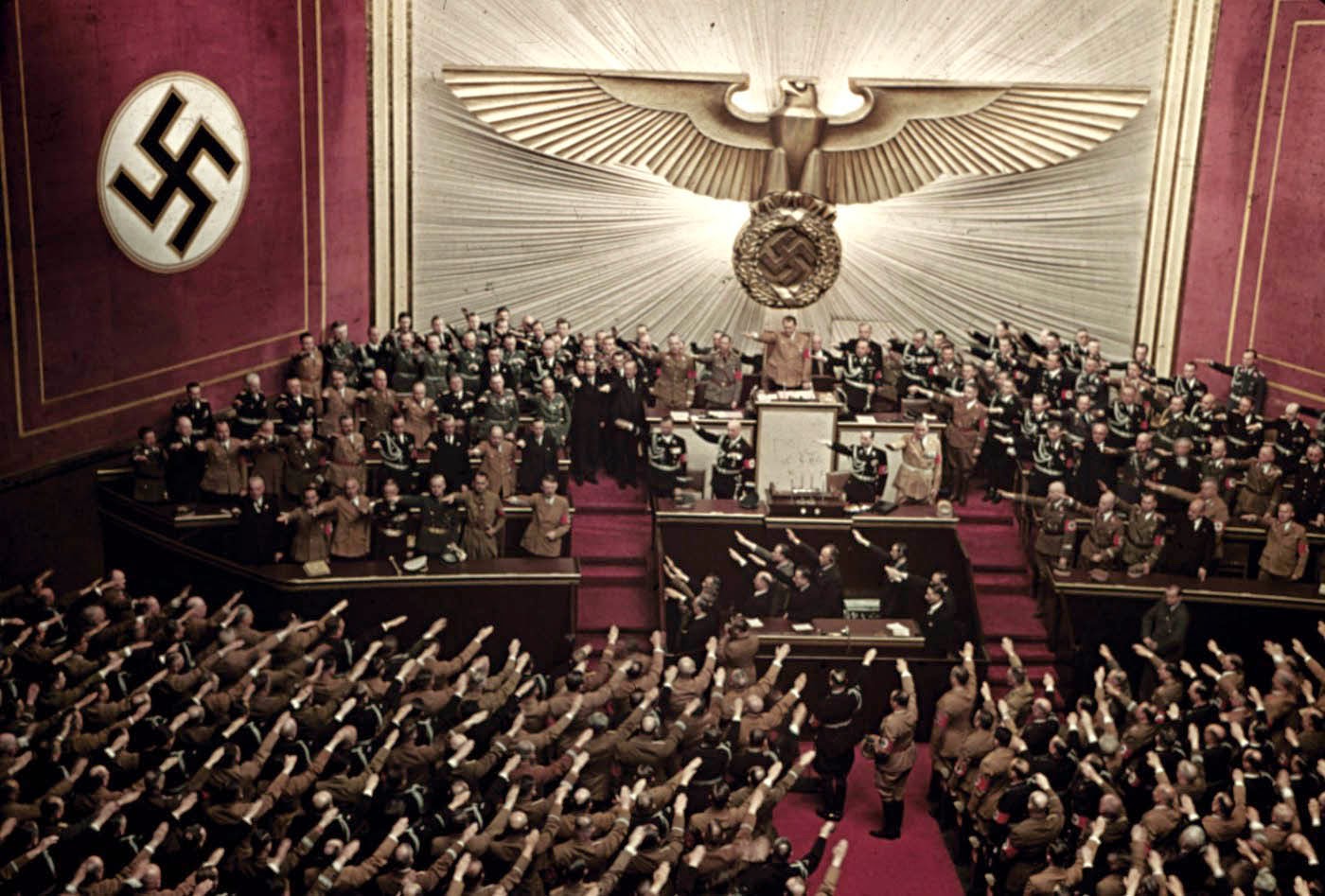
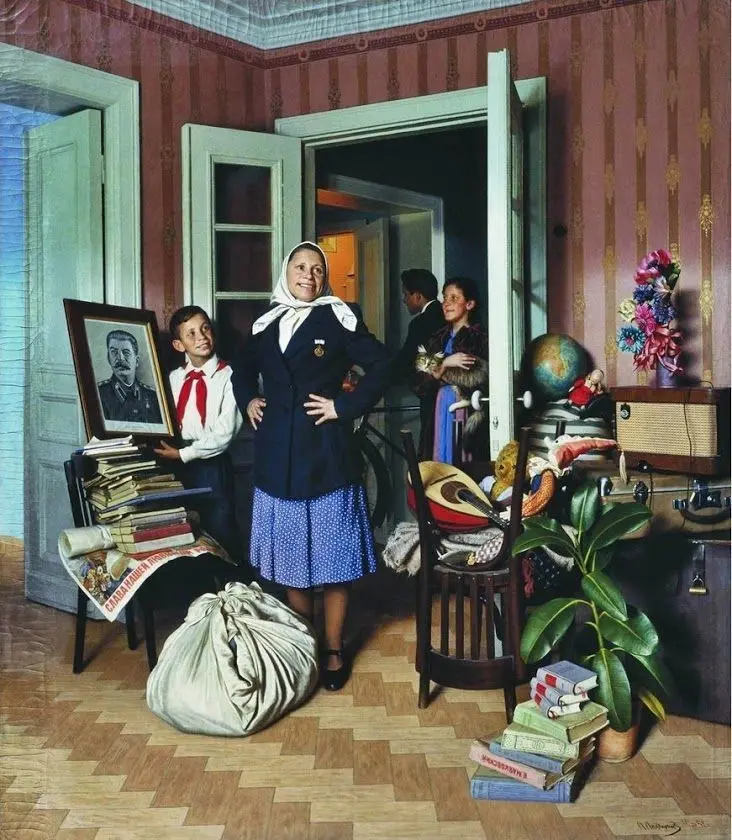
This is typically contrasted with socialist societies who instead subordinated all art to ideology, so that everything was reduced to mere political propaganda (even if technically accomplished). Here is Laktionov’s ‘Into a New Flat’ as an example.
Okay so what about the Calvin Klein advertisement below?
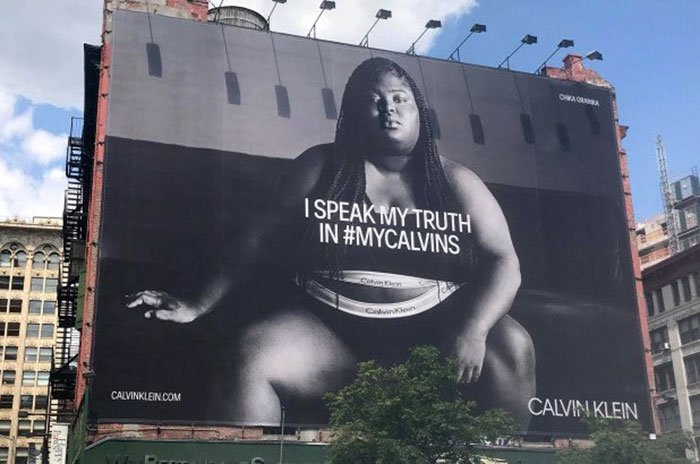
Most have reflexively assumed this falls into the latter case, that political messaging has hijacked the advertisement.
But why then is it so hideously ugly?
A series of conscious decisions have been made which exaggerate its ugliness; from it being shot in black and white, the angle of the shot and its composition, the obstinate expression on the woman’s face, etc. The problem with treating this as propaganda is that, to any adult with healthy aesthetic sensibilities, it can only have negative propaganda value.
Furthermore, there’s not really any ideological content. It certainly features an obese black woman, and we immediately recognize the political symbolism of this, but there’s no other substantive messaging. This is much the norm today; the Ghostbusters remake was political but not in the way that Upton Sinclair’s The Jungle was.
Besides which, if we return to Benjamin’s argument, what sort of politics would we expect from a brand which makes clothes in sweatshops and then sells them at an outrageous markup to young affluent urban liberals? Surely one which gives primacy to aesthetics and symbology.
But while the contemporary left has also aestheticized their politics, it goes without saying that they embrace very different aesthetics to those of the fascists. Indeed the post-war left is, to a remarkable degree, a prolonged reaction to fascism. This motivates most (but not all) of their beliefs, provides much of their legitimacy, and has ensured that Hitler has an almost mythological status in the public consciousness.
Insofar as the modern left is essentially anti-fascist, it does so by embracing aesthetics diametrically opposed to fascist aesthetics. A non-exhaustive list of fascist ideals (articulated mostly clearly by the futurists): strength, order, vitality, unity, bigness, beauty and physical perfection (e.g. symmetry), technology, homogeneity (hence the obsession with military parades), a (non-erotic) appreciation of the male form, among others. So the contemporary left has inverted those values and seeks to idolize weakness, disorder, decay and disease, individuality, smallness, ugliness and physical imperfection (e.g. vitiligo), anti-technology (and thus pro-organic themes), diversity, and so forth.
Fascist imagery is not always more popular than the alternatives (e.g. consider the ‘cozy’ aesthetic or erotic depictions of women, which have widespread appeal but are not fascistic). But it would be fair to say if you compare the fascist list vs the anti-fascist list, the former is going to succeed more with the ordinary man or woman.
| Aestheticized Politics | Art Subordinated to Ideology | |
|---|---|---|
| Good Aesthetics | Fascism / Futurism | Soviet Realism |
| Bad Aesthetics | Modern Progressivism |
There are a few downstream consequences of this trend.
Firstly, the left has managed to maintain a monopoly on the industries of cultural production, as the political demands placed upon them are merely aesthetic and within those confines artists still have a reasonable degree of freedom. At its most tokenistic, one might need only to convert the ginger character into a black one, or insert a token non-binary character, which is not all that onerous compared to the Soviet demands for didacticism.
On the flip-side, the left has failed to convert this cultural power into anything further. Replacing rock music with hip-hop has not meaningfully empowered black communities. Because there’s no ideological content in left-wing works, they persuade the audience of nothing. This is true even in pieces that seem to deal with politics somewhat directly: consider Andor or Garland’s Civil War or One Battle After Another. We can clearly tell which side is ‘left’ and which side is ‘right’, yet the motivating ideology is missing.
Even more curiously, because the two sides are principally distinguished aesthetically, and the left has worse aesthetics, it often backfires and makes the right look cooler. We might only know the bad guys are bad guys because they’re better-dressed, or because they keeping winning ‘best kept village’. This accidental glamorization of the right is not the failing of individual artists, from Starship Troopers or Barbie, it keeps happening because the left is starting from inferior aesthetic ideals.
Finally, if we return to the Calvin Klein ad, we know it’s political because it depicts an obese black woman. I’d argue those are especially salient political categories in the 21st century because they can be easily-integrated into left-wing cultural production. Or to put it another way, it’s impossible for the modern left to give any importance to, say, monetary policy, because the left has been so thoroughly aestheticized. Once you’ve reduced politics to mere aesthetics it becomes virtually impossible to develop a serious agenda for government. It would be one thing if left-wing messaging was handicapped by the perverse aesthetic preferences of its elites, but the situation is much more dire, the left today consists of nothing but those preferences.